The IT setup that worked well when the company was smaller does not always keep pace with growth. In the early days, it might have been enough to call a technician when something broke, ask an in-house colleague with more technical expertise for help, or use an ad hoc support provider to resolve one-off incidents. But as the business grows, there are more users, more devices, more systems, more remote working and greater reliance on cloud applications.
The UK government’s Cyber Security Breaches Survey 2025/2026 shows that 43% of businesses identified a cyber security breach or attack in the previous 12 months, with higher rates among medium and large enterprises. For growing businesses, IT support can no longer be viewed merely as fixing things when they break; it is integral to business continuity, security and the ability to scale.
1. Slow Response Times Have Become the Norm
One of the easiest signs to overlook is also one of the most dangerous: slow response times. When the team has come to expect delays, something is wrong. If an access issue takes hours to be investigated, if an email support ticket sits unresolved for days, or if a simple error forces staff to seek workarounds, the current support system is no longer keeping pace with the needs of the operation.
The impact does not always appear as a major crisis. More often, it shows up as small daily losses: delayed meetings, inaccessible files, staff unable to log in, customers waiting, and managers wasting time chasing updates.
Good IT support should not dominate the company’s routine. It should operate almost invisibly, with clear processes, rapid response times and transparent communication. When response times become a frequent topic in internal meetings, the company likely has more than just a technical problem. It has a business risk.
2. The Break-fix IT Model Is No Longer Sufficient
Break-fix IT is simple: something breaks, the company calls someone, the problem is resolved, and the bill arrives later. Unlike proactive managed support, break-fix providers usually respond only after something has gone wrong, while managed services are typically built around prevention, monitoring and predictable monthly fees. For small businesses with a very basic infrastructure, this model can work for a while. The problem arises when the company grows and technology becomes essential to day-to-day operations.
Break-fix support is reactive by nature. It rarely includes continuous monitoring, proactive maintenance, root cause analysis or strategic planning. This means recurring issues can be a clear sign that the support model is fixing symptoms rather than addressing root causes.
This model also creates financial unpredictability. Costs may be low one month, then rise sharply after a hardware failure, server issue, security incident or network outage. The problem is not just paying for the repair; it is calculating the true cost of downtime, lost productivity and disruption to customer service.
3. Frequent Downtime Is Affecting Productivity and Trust
Every company can experience occasional glitches. The internet goes down, software has bugs, devices become outdated, and external suppliers can also let businesses down. But frequent downtime should not be dismissed as bad luck. It can derail productivity, lead to missed deadlines, frustrate customers and create real financial loss.
When systems crash repeatedly, applications take ages to load, printers and networks fail every week, or staff lose access to essential tools, there is likely to be a structural problem with the current IT setup. It could be a lack of updates, insufficient capacity, outdated equipment, poor network configuration or a lack of monitoring. Repeated failures often show that the current approach is not maintaining the IT environment properly because it lacks proactive management.
The real risk is normalisation. The team begins to accept that this is just the way things are. Employees stop trusting the systems. Managers plan deadlines already factoring in potential failures. Customers notice delays. Gradually, technology ceases to support the business and starts to hold it back.
A managed IT provider should work to break this pattern. This includes monitoring systems, reviewing performance, applying patches, identifying bottlenecks and testing disaster recovery plans. Every minute of downtime can cost money, and proactive management helps improve operational efficiency while reducing the risk of avoidable network outages. Immervox, for example, offers managed IT services with continuous monitoring to detect and resolve issues before they cause downtime or affect operations.
4. Cybersecurity Feels Like an Afterthought
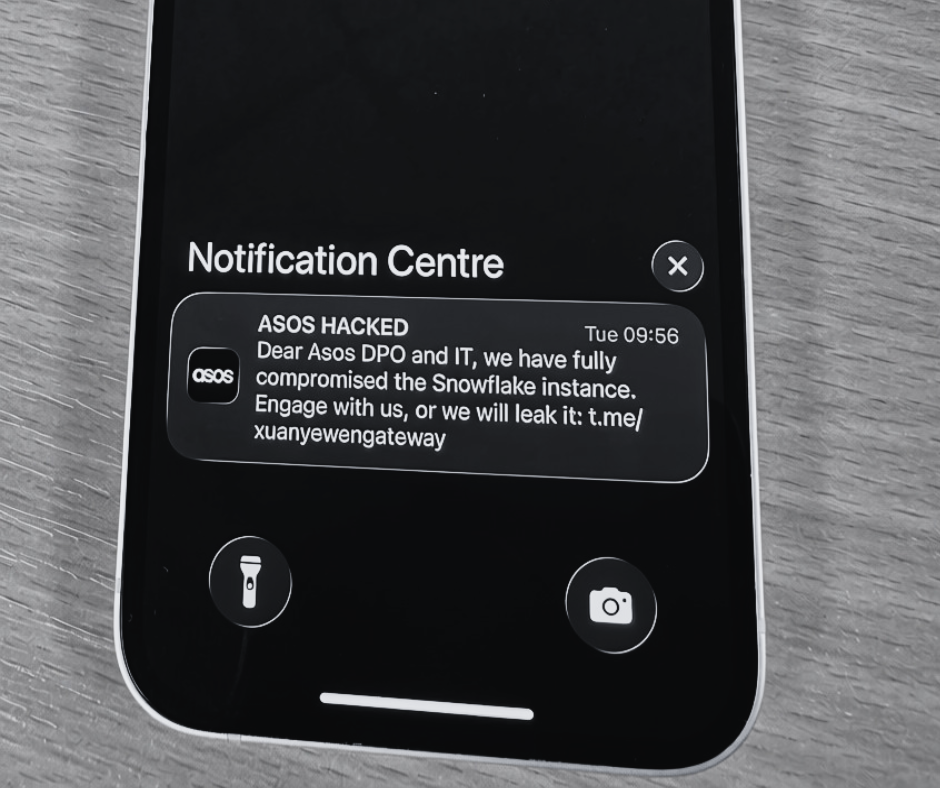
Cybersecurity feels like an afterthought when discussions about security only take place after an incident has occurred. This is a clear sign that the company needs to review its current security measures.
In the UK, phishing remains one of the most significant threats. According to the Cyber Security Breaches Survey 2025/2026, phishing was the most common type of breach or attack, affecting 38% of organisations, and was also cited as the most disruptive type by 69% of organisations and charities that had suffered an incident.
Even so, many organisations still have significant gaps in their security. The same survey shows that only 47% of businesses used two-factor authentication on their networks or applications, and only 36% used a VPN for staff working remotely. These figures matter because remote and hybrid working are now part of everyday life in the UK.
ONS data shows that 28% of working adults in Great Britain worked in a hybrid model between January and March 2025. If a company lacks multi-factor authentication, clear access rules, tested backups, regular patching, user monitoring and a process for dealing with suspicious emails, its security posture is fragile. Under the UK GDPR, organisations must also maintain appropriate security measures to protect personal data. Broader industry regulations, ISO 27001 expectations and cyber-insurance requirements can create further pressure when adequate controls are missing.
The key question is: if an attack were to occur today, would the team know exactly what to do? Modern IT needs layered protection, monitoring for early warning signs and a tested response process, not just a plan written after the fact. The UK government found that only 25% of businesses had a formal incident response plan, and 45% had none of the measures assessed for dealing with cyber security incidents. If the internal response is to “wing it”, the company already needs more robust support.
5. Growth Has Exposed Flaws in the Current IT Setup
Many warning signs emerge as a business grows. A new office, more staff, cloud services, remote working, more devices and new tools place pressure on an infrastructure that may never have been designed to scale.
A common example is the onboarding of a new starter. If it takes days for each new employee to receive a laptop, email, permissions, and access to the correct systems and software, the problem is not merely administrative. It is a sign that user management, asset management and access control are not well structured.
Another example is dealing with multiple suppliers. The company has one supplier for broadband, another for phones, another for the cloud, another for security and another for support. When something breaks, no one knows exactly who is responsible. The result is delays, frustration and a lack of ownership.
In the UK, there is another relevant factor: the transition from analogue landlines to digital services. UK government guidance states that, for most customers, the switch is expected to be complete by January 2027, as PSTN and ISDN services are gradually replaced.
For businesses that rely on telephony, alarms, payment systems, lift lines or connected equipment, this reinforces the need to review the current setup before the old infrastructure becomes an operational risk.
Why Choose Immervox?
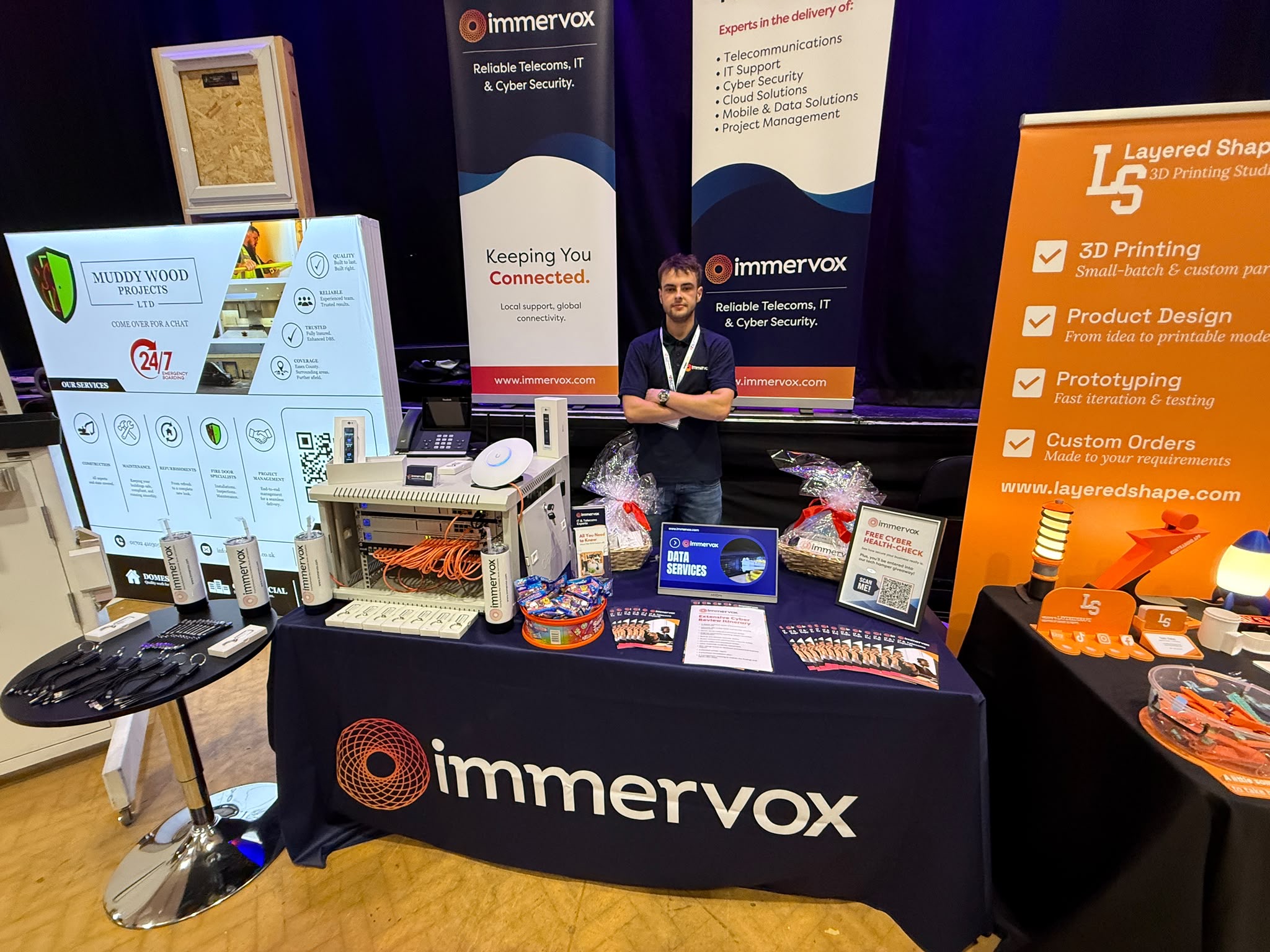
For companies looking to turn IT support into a more stable foundation for growth, Immervox is a strong fit. The company has worked in business-critical internet, LAN/WAN and fixed/mobile voice since 1999, and is trusted by hundreds of organisations.
Its strength lies in its integrated approach. Rather than treating IT, telecoms, cloud, data backup, cyber security and connectivity as separate components, Immervox offers solutions designed to reduce complexity and bring greater clarity to the IT environment. Its portfolio includes IT Support, Cyber Security, Cloud Services, Data Backup & Recovery, Remote Workforce and All-in-One IT & Telecoms.
For companies facing slow response times, frequent downtime, a lack of disaster recovery or a reliance on ad hoc support, this type of managed IT partner can help map risks, improve processes and create a setup better prepared for future growth.
Summary
If this sounds familiar — systems running slowly, support tickets taking too long to be answered, the same problems recurring, and the team only contacting support when something breaks — these are clear warning signs that the company may have outgrown its current IT support.
A break-fix model may seem cost-effective in the short term, but it tends to create unpredictable costs, frequent downtime and a lack of visibility into the IT environment. For growing businesses, the ideal approach is to work with a managed IT partner capable of anticipating problems, strengthening the security posture, supporting remote working, simplifying the onboarding of new staff and creating a stronger foundation for future growth.
FAQ
What are the main signs that your business has outgrown its IT support?
The most common signs are slow response times, frequent downtime, recurring issues, a lack of monitoring, purely reactive support, cyber security gaps, a lack of disaster recovery, and difficulty integrating new staff, systems and locations.
What is break-fix IT support?
Break-fix support is a model where the company only calls for help when something breaks. It may seem simple and cheap, but it usually does not offer proactive maintenance, planning, continuous monitoring or problem prevention.
When should a business move to managed IT support?
The honest answer is that the switch makes sense when technology is already essential to daily operations. If there is remote working, cloud applications, multiple users, compliance requirements, sensitive data and a need for consistent uptime, a managed IT partner is usually more suitable than reactive support.
Why is disaster recovery important?
Disaster recovery ensures that the company knows how to recover systems, data and operations following a major failure, cyber attack, hardware failure or supplier disruption. Without a tested plan, recovery may depend on improvisation.
How can Immervox help with an outdated IT setup?
Immervox can assist businesses with reviewing the IT environment, improving connectivity, strengthening cyber security, structuring backup and recovery, supporting the remote workforce and offering managed IT services focused on stability, security and sustainable growth.