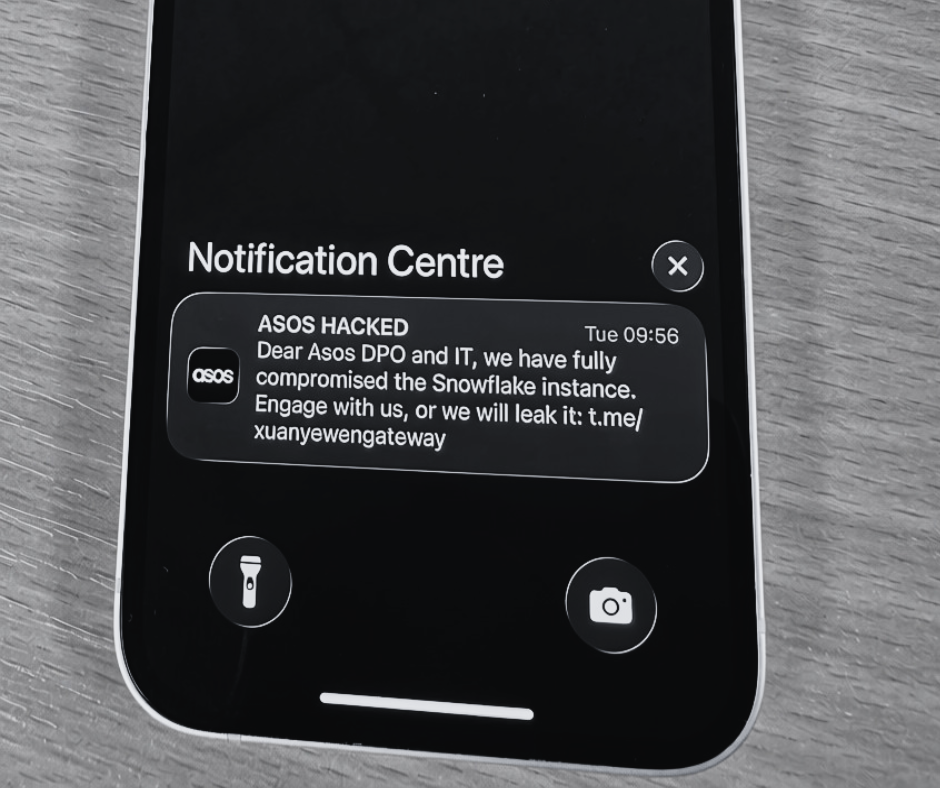
The importance of cyber security for small businesses in the UK has never been greater. Cyber criminals are launching attacks at speed, targeting organisations with limited resources, outdated software and overstretched teams. With more cyber threats emerging every year, even one cyber incident can cause operational disruption, extended business downtime and long-term reputational harm.
For many small business owners, cyber security risks still feel like a problem for large enterprises, yet small businesses hold critical data, financial records and customer information that cyber attackers can quickly monetise. Cyber crime thrives on accessibility, not size. If your business systems are exposed, attackers will exploit them. It is essential to protect your business from cyber threats to avoid costly penalties, data breaches, and ensure your company’s resilience.
UK businesses are increasingly relying on cloud platforms, online tools, remote working, and mobile devices to run daily operations. This shift has increased reliance on digital assets and computer systems, making the protection of sensitive data a fundamental requirement rather than a technical upgrade. Cyber security measures exist to ensure business continuity and maintain customer trust, not to add complexity.
This guide explains why small businesses fall victim to common cyber attacks, how the threat landscape is evolving and which practical steps protect data, systems and operations in 2026.
Key Takeaways
- Small businesses are prime targets for cyber criminals due to limited resources, outdated software, and weak security practices.
- Common cyber threats include phishing, ransomware, business email compromise, and social engineering attacks.
- Implementing basic security measures like strong passwords, multi-factor authentication, regular system updates, and staff training can significantly reduce cyber risks.
- Preparing clear security policies, reliable backups, and considering cyber insurance helps ensure business continuity and rapid recovery after a cyber incident.
Why Small Businesses Are Prime Targets for Cyber Criminals
Small businesses and sole traders are attractive targets because they often lack structured risk assessment processes, robust access controls and up to date operating systems. Attackers see small organisations as the weakest link in a wider supply chain. When a cyber attack succeeds against a smaller business, the attacker can sometimes pivot into medium businesses or larger partners through poorly secured integrations.
Another factor is the prevalence of insecure security practices. Many employees still reuse the same password across multiple accounts, share credentials internally, or skip basic protections such as multi-factor authentication. Once one password leaks, unauthorised access becomes simple. Cyber attackers use artificial intelligence and automated scanning tools to instantly spot these weaknesses.
Many UK businesses underestimate the value of their sensitive data and digital assets. Customer information, financial records, intellectual property and internal documentation all hold value on the dark web. Cyber crime is driven by profit, and attackers always choose the quickest path to revenue. Without strong passwords, endpoint protection or structured incident response plans, smaller organisations stand little chance of deterring modern cyber threats.
The Financial and Operational Impact of a Cyber Attack
A cyber attack typically affects an entire organisation, not just one system. When malicious software encrypts files or a phishing attack compromises an account, business operations slow or stop. Staff lose access to computer systems, business emails and customer records. These disruptions can last hours, days or even weeks depending on the effectiveness of recovery procedures.
The financial impact of ransomware attacks and serious data breaches is substantial. The direct costs of a data breach include forensic investigations, legal support, data protection obligations, and system restoration. The hidden costs, such as customer loss, reputational damage, supply chain disruption and reduced productivity, often exceed the initial financial hit.
Small business owners face unique challenges. Limited resources, limited in-house expertise and reliance on outdated software mean that many cannot absorb the cost of a prolonged cyber incident. For organisations without cyber insurance or clear incident response plans, the long-term consequences can be devastating.
The Most Common Cyber Threats Facing UK Businesses
Understanding the most prevalent cyber threats is the first step toward protecting your small business. Cyber criminals continually evolve their tactics, targeting vulnerabilities in people, processes, and technology.
Phishing and Social Engineering
Phishing attacks remain one of the most common threats to small businesses. These attacks manipulate staff into revealing sensitive information, transferring money or clicking malicious links. Social engineering is especially effective in smaller teams where communication is informal and access rights are loosely defined.
Artificial intelligence has made phishing emails and voice impersonation more convincing than ever, increasing the likelihood that staff fall victim.
Ransomware and Malware
Ransomware incidents continue to rise, targeting businesses without secure offline backups or clear recovery procedures. Malware infections can go unnoticed for months, giving cyber criminals time to steal critical data or silently monitor business systems. Outdated operating systems and unsupported software create an easy attack vector for these threats.
Business Email Compromise
Business email compromise is a growing threat for medium sized businesses and small organisations alike. Attackers gain control of an email account then alter invoices, redirect payments or impersonate senior staff. Even one compromised login can trigger a serious data breach.
Weak Internal Security Practices
Common threats often succeed because of weak internal habits, such as sharing passwords, skipping encryption, ignoring updates, or failing to regularly review access rights. These behaviours create openings that attackers exploit instantly.
Essential Cybersecurity Measures for Small Businesses
Strengthening your cybersecurity posture does not require a large enterprise budget. Many of the most effective security measures are inexpensive and straightforward to implement.
Strengthen Access Controls
Use strong passwords, avoid reusing passwords across systems, and ensure access rights are appropriate for each role. Enable multi-factor authentication on all accounts that support it. This single action prevents a significant number of cyber attacks.
Keep Systems Up to Date
Outdated software remains one of the most significant risks for UK businesses. Keeping your operating systems, applications and antivirus software up to date closes dangerous vulnerabilities and reduces exposure to cyber risks.
Train Staff Regularly
Free online training and internal sessions on common cyber attacks help teams recognise phishing, suspicious behaviour, and social engineering attempts. Well trained employees are the first line of defence.
Implement Reliable Backups
Follow the 3–2–1 backup process and ensure at least one copy is offline. This protects digital assets from ransomware attacks and accidental loss.
Create Clear Security Policies
Security policies and recovery procedures give staff practical steps to follow when a cyber incident occurs, ensuring a structured response to security incidents. Quick action can limit damage, reduce business downtime and protect data.
Consider Cyber Insurance
Cyber insurance provides financial protection and expert support following a severe breach or cyber attack. Many policies require evidence of security measures or Cyber Essentials certification, helping businesses strengthen their baseline defences.
Adopt Endpoint Protection and Monitoring
Modern endpoint protection tools detect malicious software, unusual behaviour and unauthorised access attempts across all devices, including mobile devices and remote working laptops.
Future-Proofing Your Business Against Cyber Attacks
The cyber threat landscape is constantly evolving, and small businesses must be proactive to stay protected. Future-proofing your business involves regularly reviewing your security practices and adapting to emerging risks. Business owners should prioritise ongoing risk assessments to identify vulnerabilities in computer systems, financial records, and digital assets before cyber attackers can exploit them.
Providing free online training for employees is an effective way to raise awareness of common cyber threats such as phishing and ransomware. Well-informed staff are less likely to fall victim to social engineering or unintentionally cause data breaches. Security policies should be updated regularly to keep pace with advancements in technology, remote working arrangements, and the use of mobile devices, as these can introduce new attack methods and operational disruptions if left unsecured.
Implementing layered security measures, such as antivirus software, endpoint protection, and strict access controls, helps safeguard sensitive customer information and ensures business operations run smoothly. For medium-sized businesses and sole traders alike, recognising the unique challenges faced, from limited resources to managing remote teams, is crucial. Investing in cyber insurance provides an additional layer of protection, helping your business recover swiftly from a cyber incident and minimise downtime.
By taking these proactive steps, small businesses can reduce their vulnerability to cyber threats, protect their reputation, and ensure long-term business continuity in an increasingly digital world.
Why Choose Immervox
At Immervox, we understand the unique challenges that small businesses, medium sized businesses and larger enterprises face when trying to protect data, systems and people from cyber threats. Many organisations lack the internal capacity to monitor cyber risks, maintain up to date software or deploy advanced cybersecurity measures. We remove that burden.
We deliver structured risk assessment, practical steps, online tools and technical support that strengthen your security posture without unnecessary complexity. Our specialists help businesses align their security measures with Cyber Essentials standards, establish resilient recovery procedures and improve day to day security practices.
Whether you need guidance on endpoint protection, incident response, access controls or long term strategy, we provide clear, jargon free support that fits your business operations. Our goal is to protect data, maintain business continuity and ensure you never become the weakest link in your supply chain.
Conclusion
Cyber security is critical for small businesses in 2026. With cyber criminals targeting organisations that lack strong defences, every UK business must prioritise protecting sensitive data, customer information and digital assets. By strengthening access controls, updating systems, training staff and adopting clear security measures, small businesses can significantly reduce their exposure to cyber crime.
Building resilience is a continuous process, not a one off task. With the right support and practical advice, businesses can stay secure, maintain customer trust and operate with confidence in an increasingly complex threat landscape.
Frequently Asked Questions
What are the most common cyber threats facing small businesses?
The most common threats include phishing attacks, ransomware, business email compromise, and social engineering. These threats exploit human error, outdated systems, and weak access controls.
How can small businesses protect themselves from cyber attacks?
Implementing strong passwords, enabling multi-factor authentication, keeping operating systems and antivirus software up to date, providing regular staff training, and maintaining reliable backups are key steps to reduce cyber risks.
What should a small business do if it falls victim to a cyber incident?
Having clear security policies and incident response plans in place helps businesses respond quickly. Reporting the incident, isolating affected systems, and working with cyber insurance providers or experts can limit damage and support recovery.
Is cyber insurance necessary for small businesses?
While not mandatory, cyber insurance offers financial protection and expert support after a serious data breach or cyber attack. It is especially useful for small businesses that may lack the resources to manage the full impact of a cyber incident.