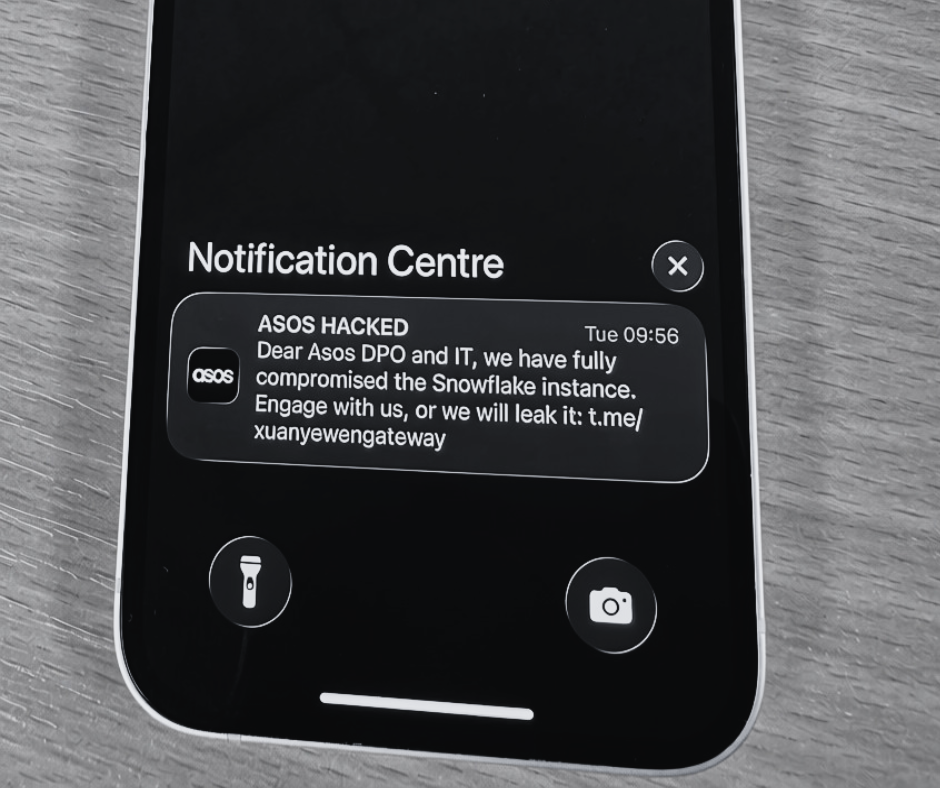
As Christmas approaches, organisations across the globe need to remain vigilant. The festive season is a prime opportunity for cyber attackers, who know that businesses may be operating with reduced staffing, increased financial activity, and a more relaxed working culture. It only takes a momentary lapse in standards for cyber criminals to slip through the cracks.
Cyber attackers take advantage of this seasonal lenience and send out a surge of festive-themed scams designed to catch staff off guard.
What Cyber Criminals Are Hoping to Exploit This Christmas
These conditions make the holiday season especially attractive to attackers:
Reduced thoroughness as staff wind down for the holidays
Higher volumes of online shopping and financial transactions
Slower response times from stretched or reduced IT teams
Increase in phishing scams disguised as Christmas-related notices
Studies show that cyber attacks, especially ransomware and holiday-themed phishing, rise by around 30% during the Christmas period compared to a typical month.
How Cyber Criminals Target You During the Festive Season
It’s crucial to remain alert and recognise common attack methods:
Christmas-Themed Phishing
Attackers craft emails and messages that convincingly mimic:
Christmas messages
Delivery notices or shipping delay warnings asking you to “confirm delivery”
Gift card promotions or discount offers
Fake charity donation requests
Password reset requests for well-known retailers
False or duplicate invoices
These messages often contain malicious links designed to steal credentials or install malware.
Other Holiday Threats to Be Aware Of
Phishing isn’t the only danger – attackers have many tactics:
Ransomware
Often deployed when staffing levels are low, ransomware can infiltrate systems unnoticed over Christmas and then activate in the new year, demanding a ransom.
Remote Working Risks
More staff work from home over the holidays. Without a secure remote working solution, attackers can exploit:
Unpatched or weak VPNs
Unsecured home Wi-Fi
Weak or inconsistent MFA enforcement
Malicious Advertisements
Fake ads can appear on websites that employees browse on work devices. These can redirect to phishing sites or harvest credentials.
How to Keep Your Organisation Safe This Christmas
Although the threat landscape can feel daunting, there are clear steps you can take to protect your business:
1. Update Your Systems
Ensure all software, firewalls, antivirus tools, and VPNs are fully updated. Patching vulnerabilities closes common entry points for attackers.
2. Enforce Multi-Factor Authentication (MFA)
Activate MFA across all critical systems: Email, Cloud Services, Finance Platforms, and VPNs. This one step alone blocks the majority of credential-based attacks.
3. Provide Staff Training and Awareness
Make sure your team knows the warning signs. Consider a cyber security training day, or host a webinar/workshop with a trusted cyber security partner.
4. Test Your Backups
Verify that system backups are running correctly and that data can be restored. This ensures business continuity over Christmas and New Year.
5. Avoid Public Wi-Fi
Staff should never use public Wi-Fi for work tasks. Cyber criminals can intercept credentials, monitor activity, or push malware onto devices without the user noticing.
6. Don’t React to Panic-Inducing Emails
Scam emails often try to create urgency. If a message demands immediate action, especially financial, pause and validate it by contacting the sender using verified details.
7. Report Suspicious Activity Immediately
Encourage staff to report unusual activity or concerns to your IT team as soon as they arise. Early detection prevents escalation.
Cyber Security at Christmas
We understand that cyber security concerns can feel overwhelming, especially during a season that should focus on rest and celebration. However, these protective habits quickly become second nature, and proactive action now can prevent major disruptions later.
If you need support preparing for the festive period, our team is here to help. We offer bespoke IT services and a suite of security tools including endpoint detection, managed email security, firewall solutions, and more. Get in touch to arrange a free, no-obligation consultation with one of our cyber security specialists.