Debunking the Most Common Ransomware Misconceptions
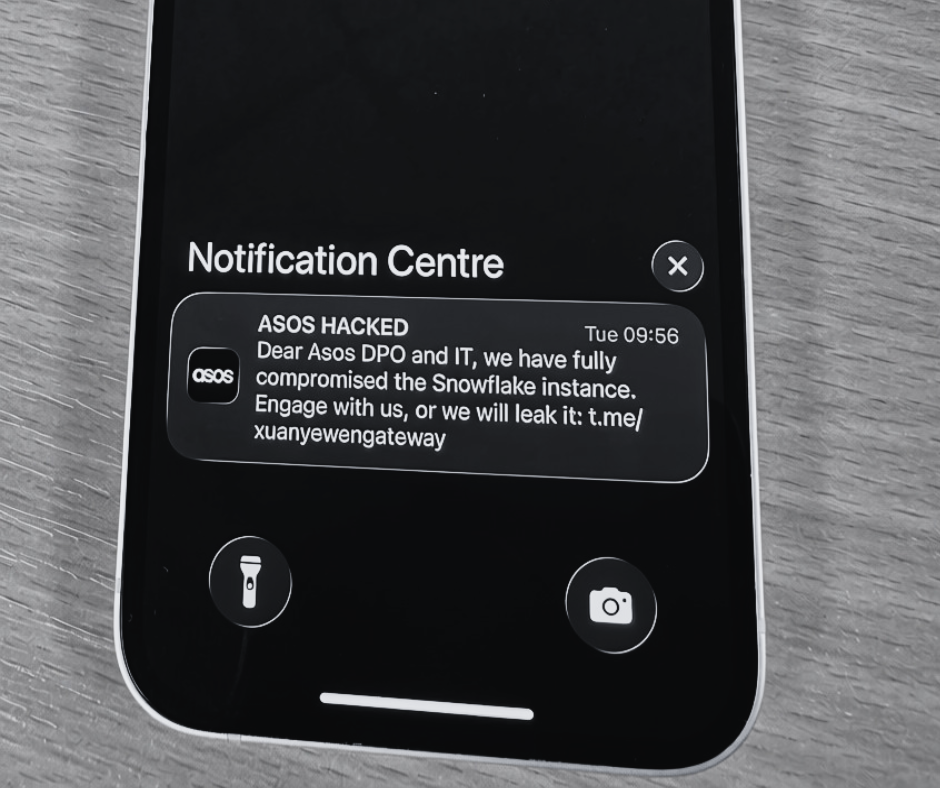
Ransomware continues to be one of the most persistent and damaging cyber threats facing organisations today. According to the NCSC Annual Review, ransomware attacks are growing more sophisticated and widespread, affecting organisations of every size and across every sector.
Despite this, many businesses still underestimate the threat or hold misconceptions about how ransomware works and how to defend against it. These false assumptions can lead to devastating consequences when an attack happens.
To help businesses strengthen their defences, we’ve outlined and debunked some of the most common myths surrounding ransomware.
1. “It won’t happen to us – we’re too small.”
Many smaller organisations assume they won’t be targeted by cyber criminals, believing attackers only go after large enterprises. Unfortunately, this couldn’t be further from the truth.
In reality, small and medium-sized businesses are often seen as easier targets. They tend to have fewer security controls in place, limited resources for recovery, and a greater likelihood of paying the ransom just to get back up and running.
Ransomware attacks aren’t selective – if your systems are vulnerable, you could become a target.
The most effective defence is a proactive one. Investing in the right cyber security measures not only deters attackers but also safeguards your operations, data, and reputation. Strengthening your defences now is far more cost-effective than trying to recover from an attack later.
2. “Paying the ransom will fix the problem.”
When faced with a ransomware demand, some businesses believe that paying up will quickly restore access to their data. However, this is one of the most dangerous misconceptions of all.
Paying the ransom offers no guarantee that your data will be returned or that it hasn’t already been stolen or leaked. Cyber criminals are under no obligation to honour their promises – and by paying, you may even encourage further attacks.
If you experience a ransomware incident:
- Stay calm and avoid paying the ransom.
- Contact your IT provider or incident response team immediately.
- Report the incident to the NCSC (for UK organisations).
- Do not wipe or reset systems, as investigators need that data to trace the attack and help you recover.
Preparation remains the best line of defence. Maintain regular, offline backups, keep all systems patched and up to date, and ensure your cyber security tools are capable of preventing, detecting, and responding to modern threats.
3. “We’ll know straight away if we’ve been infected.”
Ransomware isn’t always obvious. In fact, modern variants are designed to remain hidden for long periods – quietly spreading across networks, stealing data, and preparing for maximum disruption before finally revealing themselves.
Many organisations have discovered infections only weeks or even months after the initial compromise. In one case, an employee clicked on a malicious link that seemed harmless, only for the ransomware to activate a week later and lock down the company’s critical files.
Read more into this small financial firm’s experience with a malicious ransomware attack.
Relying on the assumption that you’ll “spot it right away” is risky.
Modern security solutions such as Endpoint Detection and Response (EDR) provide round-the-clock monitoring and automatically flag suspicious or unusual behaviour before it escalates. These proactive defences are essential in stopping ransomware before it has a chance to spread.
4. “Cyber insurance will cover everything.”
Cyber insurance is a valuable safety net, but it’s not a complete solution. Policies can help offset some financial costs associated with an attack – such as investigation, recovery, and legal fees – but they can’t undo the damage itself.
Rebuilding systems after a breach takes time and resources, and not all associated expenses may be covered by your policy. More importantly, insurance cannot repair trust. Once your reputation or customer confidence is damaged, no payout can restore it.
The most effective approach is to focus on prevention. Build a strong cyber security foundation and regularly review your insurance policy to ensure you understand what’s covered, what’s excluded, and what conditions must be met for a valid claim.
5. “Antivirus software will stop ransomware.”
Traditional antivirus software can detect some types of ransomware, but it’s no longer enough on its own.
Many antivirus tools rely on signature-based detection, meaning they identify threats by comparing files to a known database of malicious code. However, ransomware developers continually modify their code to evade these systems. When a strain is new or customised, it can easily slip past traditional antivirus protection.
By the time a warning appears, the damage may already be done.
To defend against these sophisticated threats, organisations are increasingly adopting Endpoint Detection and Response (EDR). Unlike traditional antivirus software, EDR continuously monitors systems for suspicious activity, detects abnormal behaviour, and can automatically isolate infected devices before the threat spreads.
Investing in advanced, behaviour-based protection is one of the most effective steps any organisation can take to safeguard its operations.
6. “Once it’s over, it won’t happen again.”
Another common misconception is that a ransomware attack is a one-off event. Unfortunately, once a business has been compromised, it often becomes a target for future attacks.
If a ransom was paid, cyber criminals may share that information on dark web forums, flagging your organisation as a “soft target.” Even if you didn’t pay, attackers may attempt another breach using the same vulnerabilities that weren’t fully resolved.
In some cases, ransomware operators leave behind hidden access points, allowing them to return later without detection.
To reduce the risk of a repeat attack, it’s essential to conduct a thorough post-incident investigation, identify and close any security gaps, and implement continuous monitoring to detect further suspicious activity. Building long-term resilience is the key to preventing history from repeating itself.
Final Thoughts
Ransomware isn’t going away. As attackers become more sophisticated, it’s vital that organisations of all sizes take the threat seriously and challenge outdated assumptions.
By understanding these common misconceptions and acting on them, businesses can significantly reduce their risk, protect their data, and build a stronger, more resilient security posture.
When it comes to ransomware, prevention will always be more effective and less costly than recovery.